
Motion design, 2D and 3D animation
Nexia is a French motion design and film studio. Typography, shapes, images and 3D move around a clear idea. AI is used where it supports visual research or production.
Selected films and their credits
W3T ↗W3T
A 3D film in the Nexia portfolio. A different way to construct movement and space, shown alongside the studio’s AI work.
Watch the film and read the credits ↗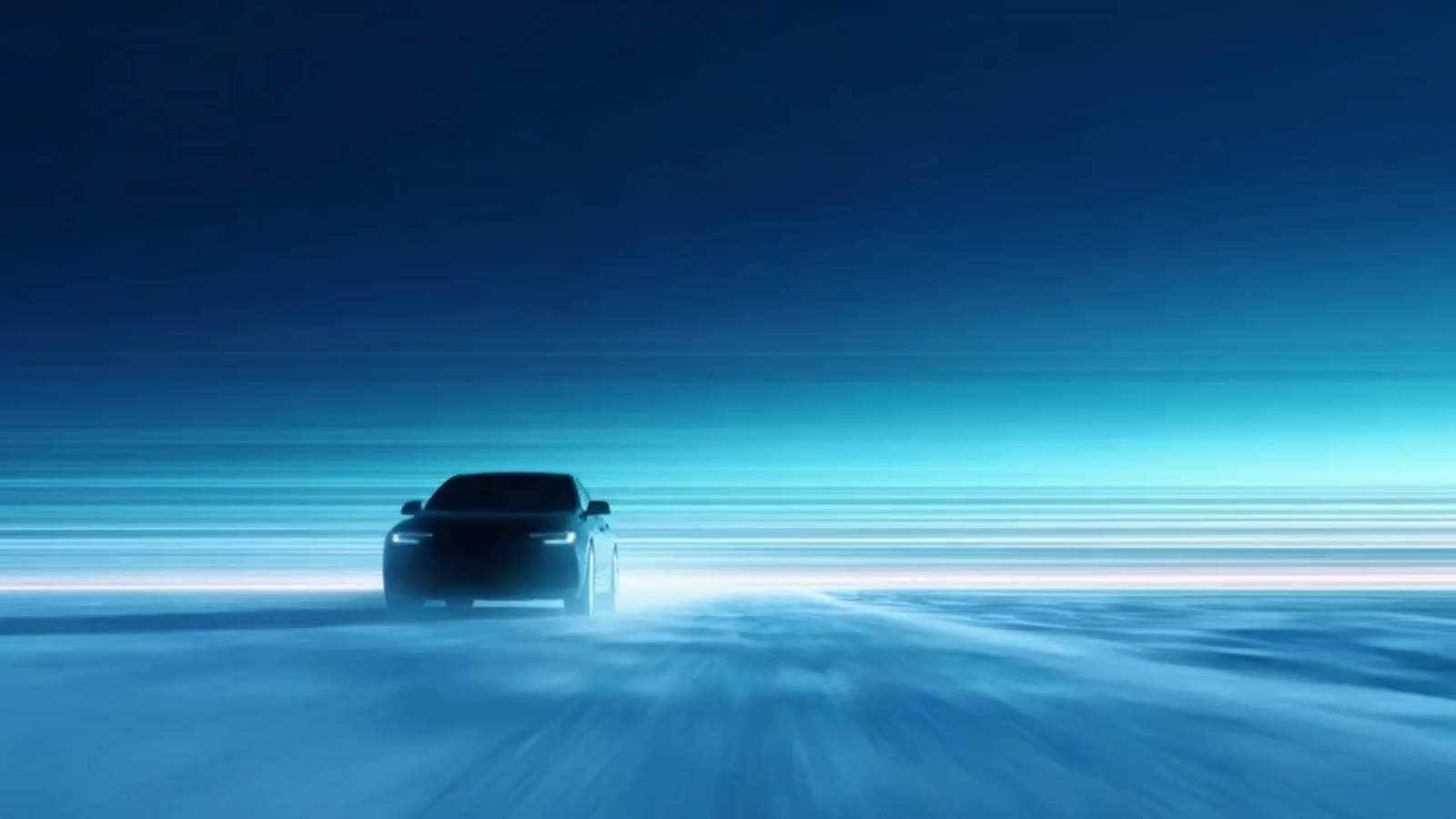 Sekurit ↗
Sekurit
An automotive film about thermal flows. Nexia: art direction and film production. The project page explains the subject and visual choices.
Watch the film and read the credits ↗From intention to the finished film
Motion design structures movement: the hierarchy of a message, the appearance of a detail and the transition between ideas. Readable animation depends on pauses as much as motion.
Compose in 2D
Typography, illustration and graphic shapes establish the reading order. Storyboards and timing define what appears, what remains and what changes.
Build in 3D
Volume, materials, light and camera give the subject a spatial presence. W3T is a 3D film available in the portfolio.
Connect techniques
Generated imagery, animation and live action can coexist. Continuity, compositing and finishing help these sources form one film.
When the subject needs volume
3D and hybrid production addresses geometry, camera and the combination of sources. It extends motion design when space becomes central to the story.
Explore 3D and hybrid production ↗Research from the studio
Our journal documents visual trials and production questions. Each project page identifies the context and the studio’s contribution.
Read the studio journal ↗Questions about this practice
How does motion design differ from AI video?
Motion design arranges and animates graphics or volumes. Generative video creates moving imagery from references and instructions. A film can combine both, with different levels of control.
Does AI replace 3D animation?
No. Precise geometry, controlled movement or local revisions may require 3D construction. The shot’s constraints guide the approach.
How do you keep a message readable?
Pacing, contrast, reading time and visual hierarchy are planned in the storyboard and checked in animation. The intended viewing format is part of that process.
Selected films and references
Watch the films and read their project pages for context. Techniques and contributions differ from one production to another.