
3D and hybrid film production
Hybrid production brings together different ways to make an image. Nexia combines art direction, 3D, animation and AI according to the film’s needs: controlled forms, imagined environments or precise movement.
Selected films and their credits
W3T ↗W3T
A 3D film in the Nexia portfolio. A different way to construct movement and space, shown alongside the studio’s AI work.
Watch the film and read the credits ↗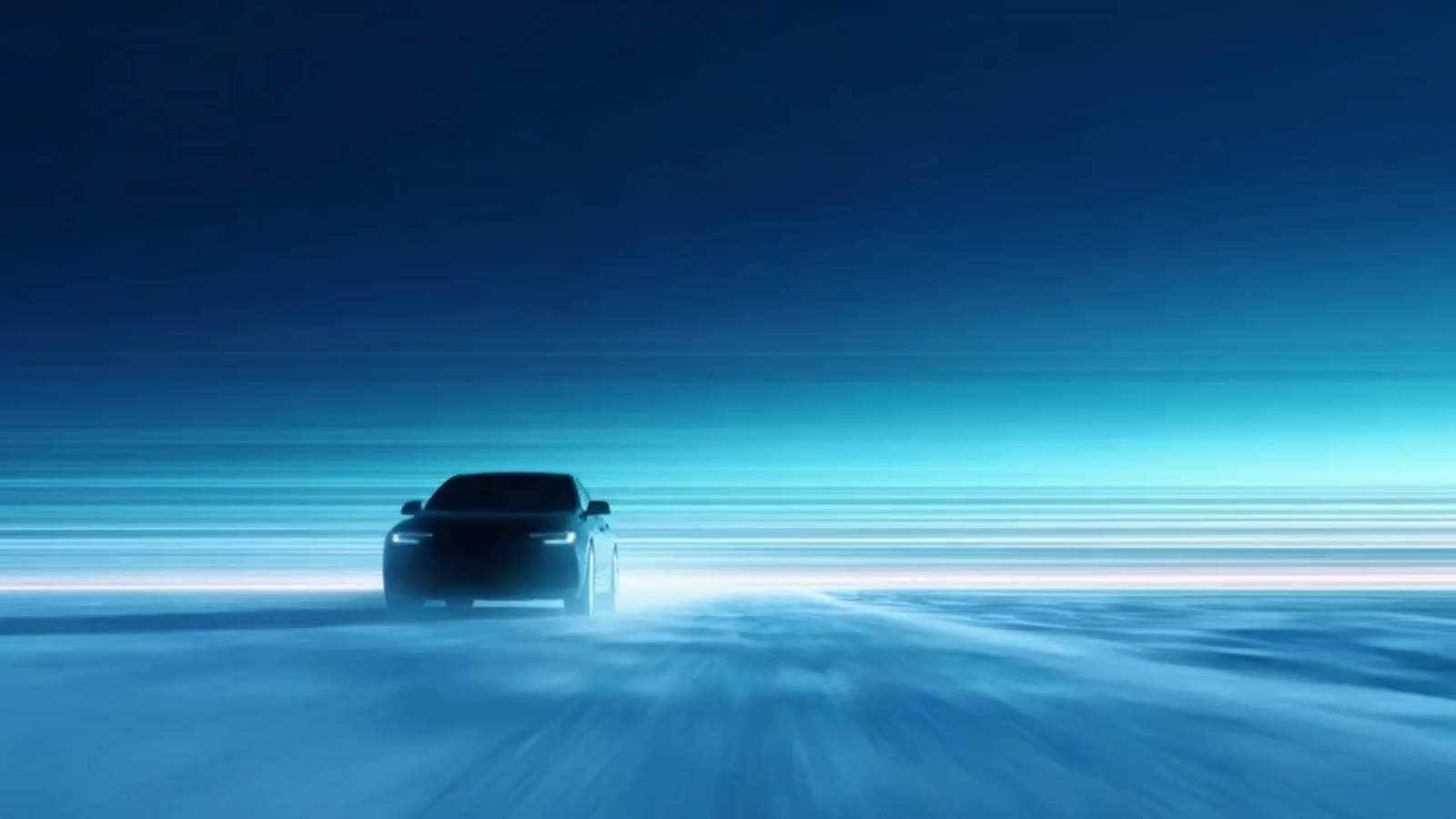 Sekurit ↗
Sekurit
An automotive film about thermal flows. Nexia: art direction and film production. The project page explains the subject and visual choices.
Watch the film and read the credits ↗From intention to the finished film
A generative scene and a 3D scene offer different ways to revise an image. We distinguish what must remain exact, what can be explored and what needs to hold across shots.
Preserve essential forms
For an object or product, proportions and details can be critical. 3D construction provides explicit control of geometry, camera and lighting.
Explore a visual world
Image research helps compare materials, atmospheres and compositions. A visual direction becomes an art-direction reference, rather than a promise of automatic reproduction.
Connect the shots
Changes in scale, lighting or technique are planned for the edit. Compositing and finishing bring sources together and help check continuity.
From individual shots to a coherent film
Post-production connects the shots, refines their relationship and carries the film towards its final version. Compositing is one part of that continuity.
Explore VFX and post-production ↗Research from the studio
Our journal documents visual trials and production questions. Each project page identifies the context and the studio’s contribution.
Read the studio journal ↗Questions about this practice
What is a hybrid 3D and AI film?
It combines elements built or animated in 3D with generative imagery and, where useful, live action. The combination is defined shot by shot.
Does everything need to be made in 3D?
No. 3D is appropriate where control of shape, light or movement calls for it. Other parts of the film can use different techniques.
Do the featured films use the same method?
No. W3T is presented as a 3D film; Sekurit as an automotive film using AI production. They show distinct studio practices, rather than one identical pipeline.
Selected films and references
Watch the films and read their project pages for context. Techniques and contributions differ from one production to another.